


Licensed Hands. Clean Room. No Surprises.
Wet cupping in Nassau County, NY, led by a New York State licensed acupuncturist who explains every step before it happens. No hype. No promises we can’t keep.
Dawn Ristau is a New York State licensed acupuncturist and Certified Reiki Master with over a decade of experience.
Clients say Dawn explains each session beforehand, as it happens, and afterward, which matters when a blade is involved.
Reviewers call our North Massapequa office immaculate and relaxing, with beautiful rooms made for quiet, comfortable treatment.
We hold 5.0 across 11 Google reviews and 13 Birdeye reviews, plus a Healthgrades badge for 100% five-star reviews.
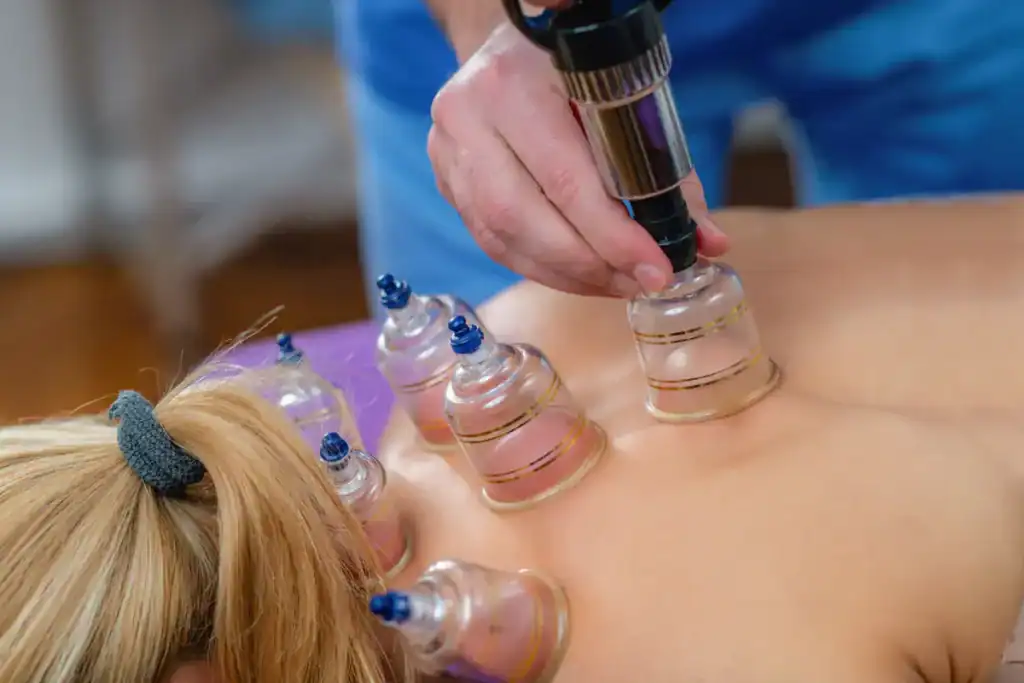
Wet cupping, also called hijama or blood cupping, starts the way dry cupping does: a cup creates suction on your skin. The difference comes next. After a few minutes the cup comes off, light, tiny cuts are made, and a cup goes back on to draw out a small amount of blood.
People in Nassau County look into it for stubborn pain or stiffness, or because family or a friend pointed them there. We’d rather give you the honest version than oversell it.
No miracle promises. Just a clear plan, a careful session, and answers you can trust from a clinic close to home.

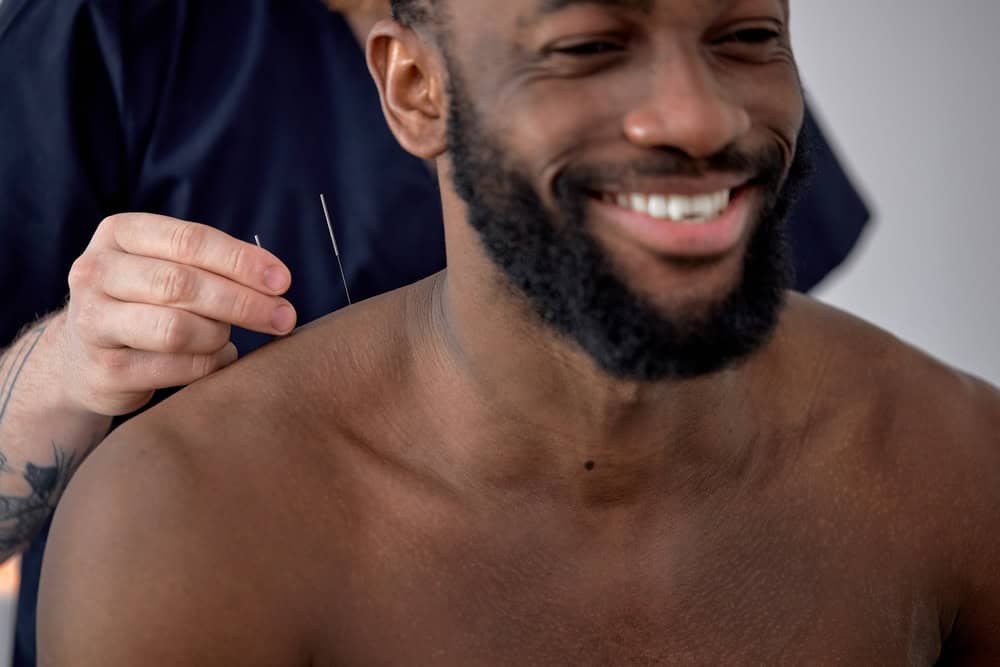
If you’ve searched “hijama near me,” you’ve seen the range: clinics, home visits, a friend of a friend. Wet cupping breaks the skin, so it carries a higher infection risk than dry cupping, and bloodborne pathogen training matters. That’s why some professionals, like massage therapists, typically don’t offer it.
Our founder, Dawn Ristau, is a New York State licensed acupuncturist with over a decade of experience, in a state that has licensed acupuncture since 1991. You’ll be in a real clinic on North Broadway in North Massapequa, 11758, not a spare room.
Text 516-586-4364 and tell us what’s bringing you in. We’ll go over your health history and medications first.
A cup sits on your skin about three minutes, light cuts follow, then a second cup draws a little blood.
You leave with aftercare instructions and know what to watch for while marks fade over days to weeks.
Plenty of pages promise that wet cupping pulls toxins out of your body. The research doesn’t back that up, and we won’t say it. The National Center for Complementary and Integrative Health says cupping may reduce pain but calls the evidence insufficient, and a 2023 evidence map found no high-quality evidence for pain outcomes. Nothing shows wet cupping beats dry.
We’ll talk through whether dry cupping makes more sense first, what a session may or may not do for your pain or stiffness, and who should skip it altogether.

Schedule your personalized holistic healing appointment.
Discover answers to your burning questions about Silver Secrets, where we fuse ancient wisdom and modern techniques to guide you on your transformative journey towards holistic healing and well-being.
It varies from person to person. Many people feel very little, and some feel a light sting where the small cuts are made. For most first-timers the bigger worry is the idea of a blade and blood, and that mental picture is usually worse than the reality. We explain each step before it happens, as it happens, and afterward. Some people feel dizzy or lightheaded, and headache or nausea can happen too, so tell us right away if anything feels off. Questions are welcome at any point.
Both start with a cup creating suction on your skin. With dry cupping the skin stays intact and nothing is drawn out. The round marks are bruises from blood pooling under the skin. Wet cupping adds light, tiny cuts after the first round of suction, and then a second cup draws out a small amount of blood. Hijama is the Arabic term for it, so hijama and blood cupping point to the same practice. Because wet cupping breaks the skin, the infection risk is higher, and nothing shows it works better than dry. Starting with dry is a perfectly reasonable choice.
Wet cupping can cause headache, nausea, dizziness, and fainting, and because it breaks the skin it carries a higher infection risk than dry cupping. That's why who does it and where matters. Some people should skip it or check with their doctor first: anyone on blood thinners, or with a bleeding disorder, anemia, or a suspected blood clot such as DVT. The same goes for people with varicose veins or vascular disease in a limb, and anyone who is pregnant. We go through all of this with you before anything starts, and if wet cupping isn't right for you, we'll say so.
There's no evidence that wet cupping removes toxins, so we don't make that claim. On pain, the picture is cautious. Cupping may reduce pain, but major reviews describe the evidence as insufficient, and a 2023 evidence map found very low to moderate quality evidence for conditions like low back pain, neck pain, and knee osteoarthritis. Some people feel better afterward, and that's worth knowing, but it isn't a cure and we won't promise one. If you've dealt with pain for months, we'll talk about what a session could realistically offer, and whether acupuncture might help alongside it.
Marks typically fade within a few days to a couple of weeks. Minor bleeding at the cupping sites is expected during the session, and the marks that follow are easy to see, so timing matters. If you're heading to the beach or a pool on the South Shore, or you have a wedding or event coming up, book ahead so the marks have time to fade. Text us your date at 516-586-4364 and we'll help you pick a day that works. We'll also go over aftercare so the sites heal cleanly.
You can stay in Nassau County, NY. We're on North Broadway in North Massapequa, ZIP 11758, and we see people from Massapequa, East Massapequa, Massapequa Park, Seaford, North Wantagh, and North Merrick. Sunrise Highway serves Massapequa, and the Southern State and Meadowbrook State Parkways run through North Merrick, so getting here is straightforward. We prefer texts for booking at 516-586-4364. We're in network with NYSHIP and MagnaCare for some services, but don't assume insurance covers wet cupping. Ask us first and we'll tell you where things stand.